Is Now the Right Time for Dental Implants in Bakersfield CA?
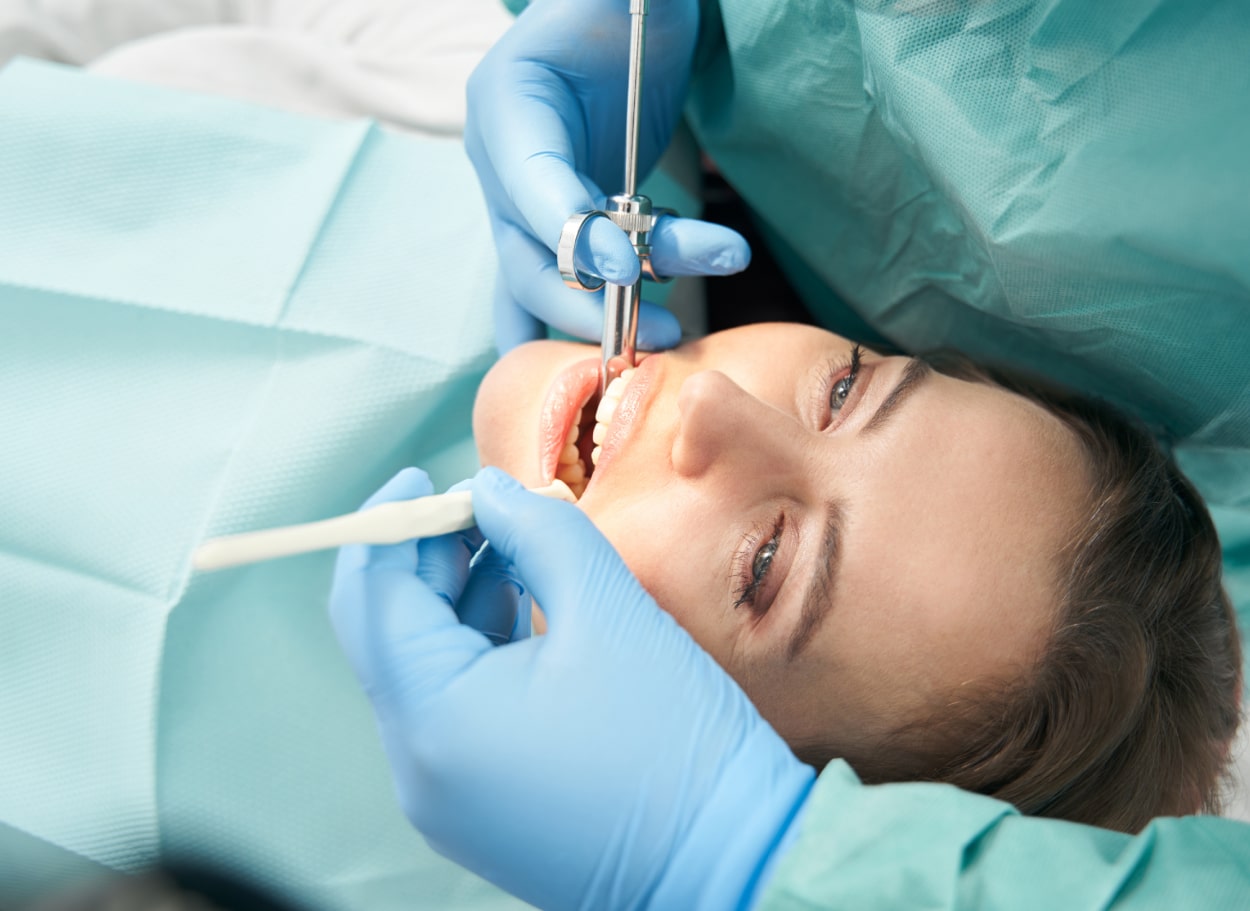
Losing a tooth rarely feels urgent until daily life starts changing around it. At first, people work around the gap. They chew on one side. They smile with their lips closed. They tell themselves they will deal with it after the holidays, after harvest season, after work calms down, after insurance renews. Months pass. Sometimes years.
Then the small compromises add up.
A missing tooth can make eating less comfortable, speech less precise, and oral hygiene more complicated. When several teeth are missing, the changes become harder to ignore. Foods that used to be easy start feeling risky. Dentures may slip. A bridge may do its job, but the jaw underneath still changes. At that point, the question shifts from whether implants are worth considering to whether now is the right time to move forward.
For many people looking into Dental Implants Bakersfield CA, timing is the hardest part of the decision. Not because implants are mysterious, but because real life is messy. Budgets matter. Health matters. Recovery time matters. So does confidence in the treatment plan. The right answer is not the same for every patient, but there are clear signs that waiting may cost more, both biologically and financially, than people expect.
Why timing matters more than most people think
Dental implants are not just replacement teeth. They are replacements for tooth roots, placed into the jawbone to support a crown, bridge, or denture. That root-level support is what makes them different from other options. It is also why timing matters.
When a natural tooth is lost, the surrounding bone no longer receives the same stimulation from chewing. Over time, that bone can shrink. The process varies from person to person, but it often begins soon after extraction. In the early phase, the site may still have enough bone for a straightforward implant. If the area sits empty for too long, the bone can narrow or lose height, and treatment may require grafting before an implant can be placed.
That does not mean you have a tiny window and then the opportunity disappears. Plenty of patients successfully receive implants years after losing a tooth. It does mean the process may become more involved. A case that could have been simple can turn into a case that needs staging, more healing time, and a larger investment.
This is especially relevant for adults who lost a molar years ago and assumed one back tooth did not matter. In practice, missing molars often create quiet problems. Neighboring teeth tip. Opposing teeth may drift. Bite forces shift. Patients sometimes show up for a consultation because of jaw soreness, food trapping, or a cracked tooth on the other side, only to learn that the old missing tooth set off a chain reaction.
Bakersfield patients often ask the same practical question
The question is rarely, “Are implants good?” Most people already understand the basic idea. The real question sounds more like this: “Is this the right season of life to do it?”
That is a smart question.
Bakersfield patients often balance physically demanding work schedules, family obligations, and budget planning in ways that shape treatment timing. Someone in construction, agriculture, logistics, or healthcare may need to plan around periods when taking time off is difficult. A parent managing school calendars may want to avoid major appointments during a packed season. Retirees may have more scheduling flexibility, but often want to understand long-term value before committing.
Good implant planning respects that reality. Dental decisions do not happen in a vacuum. A thoughtful implant consultation should account for your health, your bone levels, your timeline, and how much treatment you can realistically take on at once.
Signs now may be the right time
The strongest reason to consider moving ahead is not urgency for urgency’s sake. It is preventing a manageable issue from becoming a more complex one. If any of the following are true, it is usually worth having a serious implant discussion soon:
- You recently lost a tooth, or your dentist has told you an extraction is likely.
- You are tired of a removable partial or denture shifting, rubbing, or limiting what you eat.
- You have enough general health stability to undergo routine oral surgery and healing.
- You want to preserve bone and avoid added procedures later.
- You are financially able to begin either the full process or a phased treatment plan.
Even one of those points can be enough to justify a consultation. Recent extractions are particularly important because some patients qualify for immediate implant placement or earlier treatment sequencing, depending on infection, bone condition, and bite forces. That does not happen in every case, but it is one reason not to delay the conversation.
When waiting may actually make sense
There are also times when pressing pause is the better choice. Good treatment planning is not about pushing everyone toward surgery as soon as possible.
If gum disease is active, it usually needs to be controlled first. If blood sugar is poorly managed, healing can be less predictable. If someone smokes heavily and is not ready to reduce or stop around surgery, implant risk rises. If a patient clenches hard at night and has already broken crowns or cracked natural teeth, the bite may need careful management before implant loading. Pregnancy, major medical treatment, or a period of serious personal stress can also make a non-urgent procedure best delayed.
I have seen patients do very well when they wait for the right reasons. One common example is the person who needs a few months to stabilize oral hygiene and periodontal health. That extra time is not procrastination. It is preparation. Implants do best in a healthy mouth maintained by a patient who can keep the area clean and attend follow-up care.
Waiting can also make sense if the missing tooth is in a non-esthetic area and the bone has already been stable for some time, especially when the patient is using a serviceable temporary option. The key is that the wait should be intentional, not indefinite. There is a big difference between delaying with a plan and delaying because the decision feels overwhelming.
The hidden costs of putting it off too long
People usually think first about the sticker price of implants. That is fair. Implant treatment is an investment. But the financial conversation is incomplete if it ignores the cost of delay.
A patient who loses a tooth and replaces it promptly may need an extraction, implant, and crown, or in some cases an implant placed at the time of extraction with later restoration. A patient who waits several years might need the same treatment plus bone grafting, sinus augmentation in the upper back jaw, soft tissue management, or orthodontic movement to regain proper spacing. None of that means implants become impossible. It simply means the path may get longer and more expensive.
Then there is the functional cost. I have heard patients say they “got used to” chewing on one side, but when you ask a few follow-up questions, the picture changes. They avoid steak. They skip apples unless sliced thin. They choose softer foods in restaurants. They clean around a bridge with increasing frustration. They have adapted, but not without giving something up.
There is also a quality-of-life component that rarely shows up on a treatment estimate. People with loose lower dentures, for example, often organize meals around what they can tolerate, not what they enjoy. Implant support can be life-changing in that situation, not because it is cosmetic, but because it restores predictability. Eating in public stops feeling like an exercise in caution.
What the process usually looks like
One reason people postpone implants is that they imagine the process as larger and more disruptive than it usually is. Implant treatment is not trivial, but for many patients it is more manageable than expected.
A standard sequence often looks like this:
- Evaluation, imaging, and treatment planning.
- Extraction or site preparation if needed.
- Implant placement, sometimes with grafting.
- Healing period while the implant integrates with bone.
- Final restoration with a crown, bridge, or denture attachment.
That framework sounds simple, but each step depends on the case. Some single-tooth situations move efficiently. Others require a staged approach. Healing often takes a few months, though exact timing varies with bone quality, grafting needs, medical history, and where the implant is located. Back teeth and front teeth are not always managed the same way, and upper jaw bone often behaves differently than lower jaw bone.
The consultation is where realistic timing gets clarified. Good clinicians do not promise a shortcut that your anatomy cannot support. They also should not overcomplicate a case that could be handled predictably with a straightforward plan.
Bone grafting does not mean you missed your chance
The phrase “you may need a bone graft” tends to scare people off. It should not. Bone grafting is common in implant dentistry, and in many cases it is routine rather than dramatic. It simply means the site needs help creating or preserving enough volume for long-term support.
Sometimes grafting happens at the time of extraction to preserve the socket. Sometimes it happens when the implant is placed. Sometimes it is a separate preliminary step. The reason matters more than the label. A small graft to improve a site is very different from a highly complex reconstruction, even though both get called grafting.
Patients often hear that they have been missing a tooth too long and assume implants are off the table. That is frequently https://charlieveoy083.meridiannest.com/posts/how-successful-are-dental-implants-in-bakersfield-ca not true. More often, it means the treatment plan needs to adapt. The smarter question is not “Did I wait too long?” but “What would treatment involve now compared with earlier?”
Age is usually less important than health
Another hesitation I hear often is age. Someone in their 30s worries they are too young to spend the money now. Someone in their 70s worries they are too old for surgery. Neither assumption holds up well.
For younger adults, replacing a missing tooth earlier can preserve bone and reduce the wear-and-tear effects of shifting bite forces over decades. For older adults, implants can be an excellent option if general health is stable and healing capacity is reasonable. I have seen active older patients adapt beautifully to implant-supported restorations, particularly when they were frustrated with removable appliances.
Chronological age matters less than the overall picture. Bone quality, medications, diabetes control, smoking status, periodontal condition, and home care habits often tell us far more than the birth year on the chart.
A few Bakersfield-specific considerations
Climate does not determine implant success, but lifestyle patterns in Bakersfield can affect timing and comfort. Patients who work outdoors in high heat need practical post-op planning. Hydration matters. So does choosing lighter activity for the first couple of days when possible. Someone heading into a season of long field days or extensive travel may prefer to schedule surgery when rest and follow-up are easier.
Allergy and sinus issues can also be part of the conversation, especially for upper back implants near the sinus. Chronic congestion does not automatically create a problem, but it belongs in the planning discussion. So does any history of grinding or clenching, which is common and often underreported until someone mentions morning jaw tightness or flattened teeth.
When searching for Dental Implants Bakersfield CA, local experience has real value. Not because geography changes the fundamentals of implant dentistry, but because continuity matters. Implant treatment works best when diagnosis, surgery, restoration, maintenance, and follow-up all fit together. Whether your case is handled by a general dentist with extensive implant training, a periodontist, an oral surgeon, or a team-based model, coordination is what keeps treatment efficient and predictable.
How to tell if you are choosing the right provider
Patients do not need to become implant experts before booking a consultation, but a few markers of quality are worth paying attention to. A good provider should explain not just what they recommend, but why they recommend it for your mouth, your bite, and your goals.
Look for clarity in the conversation. If you are told you need grafting, you should understand the purpose. If several options exist, you should hear the trade-offs. If your case is complex, that should be stated plainly. You should also feel that questions are welcome. Implant treatment is too significant for vague reassurance.
Here are a few useful questions to bring to an implant consultation:
- Am I a candidate for an implant now, or do I need preparatory treatment first?
- Is my bone level adequate, and if not, what kind of grafting is being recommended?
- What is the likely timeline from evaluation to final tooth replacement?
- What risks in my case deserve special attention?
- How will the final restoration be maintained over time?
Those questions tend to reveal the depth of planning behind the recommendation. They also help patients compare options in a meaningful way, rather than focusing only on the initial fee.
Cost, financing, and the value question
No serious discussion of implants should dance around cost. A single implant with restoration can cost significantly more up front than a removable solution, and sometimes more than a traditional bridge. That is real. What matters is understanding what you are buying.
An implant does not rely on neighboring teeth for support the way a bridge does. It can help preserve bone in a way removable appliances do not. It often feels more like a natural tooth in function. For many patients, that mix of independence, stability, and longevity justifies the investment.
Still, value depends on fit. A patient who cannot maintain hygiene, skips follow-up, and continues habits that compromise healing may not get the result they paid for. On the other hand, a patient with good home care, regular maintenance, and a well-planned case may enjoy decades of service from implant treatment.
Some offices offer phased treatment, which can make the financial side easier to manage. For example, a patient may address one strategically important missing tooth first, or secure a lower denture with implants now and defer additional work until later. Phasing is not about settling. It is about sequencing care in a way that aligns with real budgets.
If fear is the real reason for waiting
Not every delay is about cost or scheduling. Sometimes it is fear, plain and simple.
That fear may come from a bad dental experience years ago. It may come from hearing the word “surgery.” It may come from imagining severe pain or a long recovery. Most implant placements, especially single-tooth cases, are easier on patients than they expect. Soreness is common. Significant swelling can happen, depending on the procedure. But outright horror stories are not the norm when treatment is properly planned and patients follow post-op instructions.
People often feel more comfortable once they know what the day actually looks like, how numbness works, what the first 48 hours may feel like, and how the temporary phase will be handled. Anxiety tends to grow in the absence of specifics. A good team narrows the unknowns.
Sedation options may also be available for patients who need extra support. That decision should be made case by case, based on health history and procedural complexity.
So, is now the right time?
If you are in generally stable health, have a missing tooth or an unreliable replacement, and know this problem is not improving on its own, now is probably the right time to at least begin the conversation. That does not lock you into surgery next week. It gives you accurate information while your options may still be broader and simpler.
The best time for implants is not always immediately after tooth loss, though sometimes it is. The best time is when your oral condition, medical status, and life circumstances line up well enough to support a predictable result. What matters is not rushing. What matters is avoiding passive delay.
For patients exploring Dental Implants Bakersfield CA, the practical next step is a focused consultation with appropriate imaging and a candid discussion of alternatives. You want to know whether your current bone and gum condition support a straightforward case, whether preparatory care is needed, how long treatment will take, and what long-term maintenance will involve.
A surprising number of people feel relief after that visit, even before treatment begins. Not because every answer is easy, but because uncertainty is often heavier than the plan itself. Once you know where you stand, you can make a decision based on facts rather than assumptions.
If you have been thinking about implants for months, or quietly for years, that alone is useful information. It usually means the issue is already affecting your life enough to keep resurfacing. At that point, the most expensive choice is often not the implant. It is continuing to postpone a problem that tends to become more complicated with time.
Smyle Dental Bakersfield
2016 E St, Bakersfield, CA 93301, United States
+16614939040
FAQ About Dental Implants Bakersfield CA
What is the downside of a dental implant?
The main downsides of dental implants involve high financial costs, surgical risks, a lengthy healing process, and the potential for long-term complications.
How much does a full set of implants usually cost?
A full set of dental implants (covering both the upper and lower arches) typically ranges from $6,000 to $90,000+, depending heavily on the type of treatment, materials used, and whether the teeth are fixed or removable.
Can I have all my teeth pulled and get implants?
Yes, you can have all your teeth pulled and replaced with dental implants. Instead of placing a separate implant for every single tooth (which is costly and time-consuming), dentists typically use full-arch systems.